

What is a canker sore?
A canker sore, also called an aphthous ulcer, is a small, painful sore that forms inside the mouth. It usually appears on the inner cheeks, lips, tongue, gums, or soft palate.
Canker sores are common. They are not contagious. They are not the same as cold sores. In most cases, they are not a sign of anything serious.
They usually heal on their own within 7 to 14 days.
They are also often far more painful than they look.
What does a canker sore look like?
Most canker sores have a few things in common:
- Round or oval shape
- White or pale yellow center
- Red, inflamed border
- Tender or burning pain
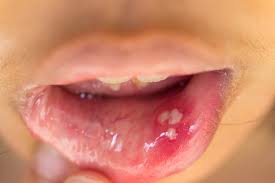
A typical canker sore. Small, unimpressive, and somehow capable of ruining your week.
What does a canker sore feel like?
Descriptions usually fall short here.
A canker sore does not just hurt. It changes how you eat, how you talk, and how much attention you pay to your mouth throughout the day.
I learned pretty quickly that eating was no longer about hunger. It was about strategy.
I would tilt my head sideways, almost horizontal, just to keep food on the safe side of my mouth. It sounds ridiculous. At the time it felt completely normal.
Acidic food becomes something you actively avoid. Talking becomes deliberate. You become very aware of where your tongue is at all times.
Is a canker sore serious?
In most cases, no.
Canker sores are generally harmless and not a sign of a serious condition. They are not an infection, and they are not cancer. They are also not usually a sign of cancer.
That said, it may be worth talking to a healthcare professional if a sore:
- lasts longer than two weeks
- is unusually large
- keeps coming back very frequently
- comes with fever or other symptoms
Canker sore vs cold sore
Canker sores and cold sores are often confused, but they are different.
| Canker sore | Cold sore |
|---|---|
| Inside the mouth | Usually on or around the lips |
| Not contagious | Contagious |
| Not caused by herpes simplex virus (HSV) | Caused by herpes simplex virus (HSV) |
| Heals on its own | Often recurs in the same spot |
If it is inside your mouth, it is most likely a canker sore.
Why do canker sores happen?
There is no single clear cause.
People commonly report triggers like:
- stress or lack of sleep
- minor mouth injuries
- dental work or braces
- acidic or spicy foods
- hormonal changes
- nutritional deficiencies
- immune system responses
Many people never identify a consistent trigger at all. That uncertainty can be frustrating, especially when sores keep coming back.
How long do canker sores last?
A typical canker sore follows a rough pattern:
- Days 1 to 2: tingling or burning before it fully appears
- Days 3 to 5: peak pain
- Days 7 to 14: gradual healing
The pain often improves before the sore is completely gone. That is usually the first sign things are getting better.
Living with recurring canker sores
Some people get one once in a while. Others deal with them repeatedly for years.
If you are in the second group, you have probably also dealt with people minimizing the pain.
“It’s just a mouth sore.”
From the outside, it looks small. From the inside, it can take over your day.
What this site can and can’t do
This site collects personal experiences, shared patterns, and clear explanations. It tries to reflect what dealing with canker sores actually feels like.
Important (Medical disclaimer)
Everything here is informational only.
Authoritative sources
For clinical information, you can refer to:
This site builds on those sources with lived experience and context.
What to read next
If you want to go deeper, you might find these useful:
- How long do canker sores really last?
- Canker sore vs cold sore: how to tell
- Common triggers people report
- Personal stories and testimonials
Final note
If your mouth hurts today, you are not imagining it. And you are not alone.