

I used to get canker sores constantly. Then I changed one boring thing: I switched to SLS-free toothpaste and mouthwash. Over the next couple of months, my outbreaks dropped hard.
That experience made me ask the obvious question: was sodium lauryl sulfate (SLS), the foaming agent in many toothpastes, making my mouth more ulcer-prone?
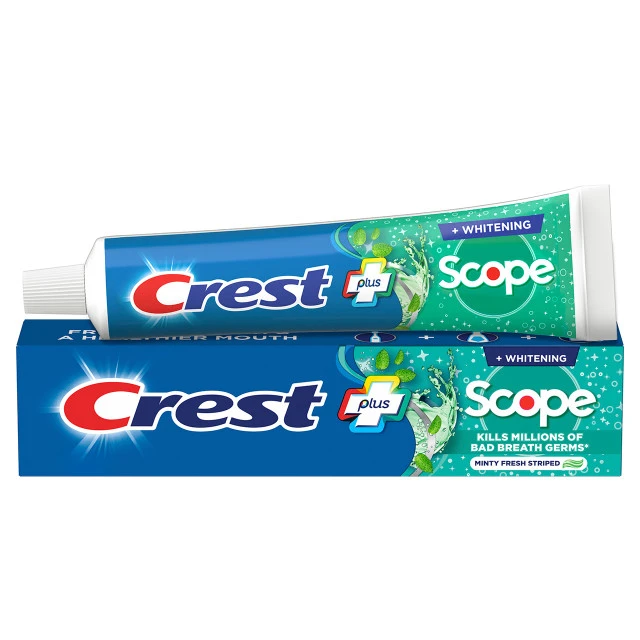
Example toothpaste that uses sodium lauryl sulfate (SLS) as the primary foaming agent.
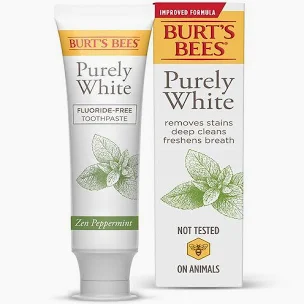
Example SLS-free toothpaste that uses cocamidopropyl betaine (CAPB) for gentler foaming.
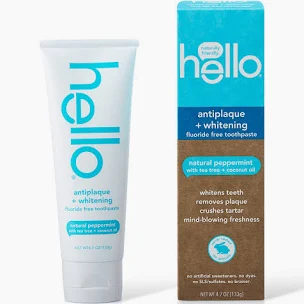
Example SLS-free toothpaste that uses sodium cocoyl glutamate, a mild surfactant common in “natural” formulas.
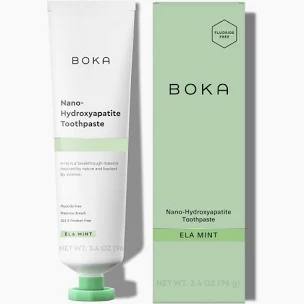
Example SLS-free toothpaste that uses sodium lauroyl sarcosinate, a mild cleanser used to keep some foam without SLS.
If you are new to this topic, start with: What Is a Canker Sore?
The short version
- SLS is a detergent used to make toothpaste foam.
- Some clinical trials show fewer or less painful canker sores when people switch to SLS-free toothpaste, while a couple of trials show little difference in frequency.
- A systematic review and meta-analysis (2019) found overall benefit for SLS-free dentifrices on ulcer outcomes (Alli et al., 2019).
- Trying SLS-free is low-risk: you can keep fluoride and your brushing routine, you just lose some foam.
Important (Medical disclaimer)
This article is for general information only. If you have severe, persistent, or unusual mouth ulcers, get evaluated by a clinician or dentist.
What is sodium lauryl sulfate (SLS), and why is it in toothpaste?
Sodium lauryl sulfate (SLS), also called sodium dodecyl sulfate (SDS), is an anionic surfactant. In plain language, it is a detergent.
Manufacturers use it because it:
- helps ingredients mix and spread
- creates foam that people associate with “clean”
- can help lift debris and reduce surface tension
SLS is common because it works, it is cheap, and people like the feel.
The downside is also obvious: detergents can irritate tissue.
Why SLS might matter for canker sores
Canker sores (recurrent aphthous stomatitis, RAS) are ulcers of the mouth lining. They are not contagious.
The SLS theory is not “SLS causes canker sores for everyone.” It is more specific:
- in susceptible people, SLS may irritate the mucosa
- it may increase surface dryness or reduce the protective barrier of the oral lining
- irritation can make a sore more likely to form, or make an existing sore feel worse
If you have ever noticed cheek peeling, burning, or a raw feeling after brushing, that is the kind of irritation people point to.
What the research says (and why results look mixed)
Several clinical trials have tested a practical question: do people who get recurrent ulcers improve when they stop using SLS toothpaste?
Trials that found benefit
- Herlofson & Barkvoll (1994): a small preliminary study found fewer ulcers after switching to SLS-free toothpaste (PubMed).
- Herlofson & Barkvoll (1996): a double-blind crossover trial found higher ulcer frequency with SLS compared to a milder surfactant (cocamidopropyl betaine, CAPB) and compared to a detergent-free paste (PubMed).
- Shim et al. (2012): a randomized crossover trial found no big change in frequency, but did find shorter duration and less pain with SLS-free toothpaste (PubMed).
Trials that found little difference
- Healy et al. (1999): a double-blind trial found no significant difference in ulcer outcomes between SLS and SLS-free phases for their group (PubMed).
The meta-analysis view
When you combine multiple trials, the overall pattern becomes clearer.
The 2019 systematic review and meta-analysis concluded SLS-free dentifrices improved multiple ulcer-related outcomes compared to SLS-containing products (Alli et al., 2019).
My interpretation: SLS looks like a meaningful irritant for a subset of people, and if you are in that subset the improvement can feel dramatic.
SLS-free toothpastes: what ingredients replace it?
An “SLS-free” toothpaste still usually uses a surfactant, just a milder one. Common alternatives include:
- Cocamidopropyl betaine (CAPB): often used in “sensitive” formulas.
- Sodium cocoyl glutamate: a milder surfactant derived from fatty acids and amino acids.
- Sodium lauroyl sarcosinate: another surfactant often seen in SLS-free oral care.
Here is a quick comparison (with a few example products for each category). Formulas vary by country and can change over time, so confirm by reading the ingredient label.
| Ingredient | What it does | Foam | Irritation risk (relative) | Toothpaste examples | Notes |
|---|---|---|---|---|---|
| Sodium lauryl sulfate (SLS) | Strong detergent surfactant | High | Higher | Colgate Cavity Protection, Crest 3D White, Aquafresh Triple Protection | Common in mainstream toothpastes |
| Cocamidopropyl betaine (CAPB) | Milder surfactant | Medium | Lower | Biotène Dry Mouth, Sensodyne Pronamel Gentle Whitening, Burt’s Bees Purely White | Used in some trial comparisons (Herlofson & Barkvoll, 1996) |
| Sodium cocoyl glutamate | Mild surfactant | Low to medium | Lower | Davids Premium Natural, Hello Naturally Whitening, Burt’s Bees Charcoal + Fluoride | Often appears in “natural” formulas (sometimes paired with CAPB) |
| Sodium lauroyl sarcosinate | Surfactant | Medium | Lower to medium | Boka n-Ha, Quip Anticavity, Arm & Hammer PeroxiCare | Some formulas may include additional surfactants (check label) |
| No detergent | No surfactant | Very low | Lowest | None common | Can feel less “toothpaste-like” |
How to switch (without overthinking it)
1. Pick an SLS-free toothpaste you will actually use
The best toothpaste is the one you consistently use twice a day.
If you are cavity-prone, look for fluoride unless a clinician has told you otherwise. Foam is not the primary driver of cavity prevention.
2. Read the label (what to look for)
On ingredient lists, SLS can appear as:
- sodium lauryl sulfate
- sodium dodecyl sulfate
Some people also avoid sodium laureth sulfate (SLES). It is a different compound, but it is still a related foaming detergent in the same general family.
3. Give it a fair trial window
Canker sores come in cycles. If you switch today and get a sore tomorrow, that does not mean it failed.
A simple trial:
- use SLS-free toothpaste for 6 to 8 weeks
- track number of sores, days to heal, and pain
4. Consider other triggers in parallel
Even if SLS matters for you, it might not be the only factor. Common associations include stress, trauma, and nutritional issues. If you want a measured approach, see: Not All the Bs Are the Same: Vitamin B and Canker Sores
FAQ
Can SLS-free toothpaste prevent canker sores entirely?
Sometimes it feels that way, but not for everyone. The best framing is: it may reduce how often you get sores, and may reduce pain and duration when sores happen (Shim et al., 2012; Alli et al., 2019).
Do any official guidelines recommend avoiding SLS for mouth ulcers?
Yes. The UK National Health Service (NHS), the public healthcare system in the United Kingdom, includes advice to avoid toothpaste containing sodium lauryl sulphate as part of its self-care guidance for mouth ulcers (NHS: Mouth ulcers).
If I switch to SLS-free, what should I expect?
Usually:
- less foam
- a milder “mouthfeel”
- in some people, less burning or peeling after brushing
If you are in the SLS-sensitive group, you might notice changes surprisingly quickly.
What to read next
- Most Common Over-the-Counter Canker Sore Remedies (With Examples)
- Different Types of Mouth Ulcers (With Pictures): Causes, Colors, Shapes, and When to Worry