

If you hang around canker sore discussions long enough, vitamin B always comes up.
People swear by B12. Someone’s aunt says it is folate. Forums insist it is “methylation.” A few comments deep and you start wondering what is real, what is folklore, and what is just correlation wearing a lab coat.
That is what I wanted to untangle here: what the science actually says about B vitamins and recurring canker sores, and where the evidence is solid versus fuzzy.
This post focuses on B vitamins, especially B12 and folate, because they show up repeatedly in research on recurrent aphthous stomatitis (RAS), which is the clinical term for recurring canker sores.
If you are new here and want the basics first, start with: What Is a Canker Sore?
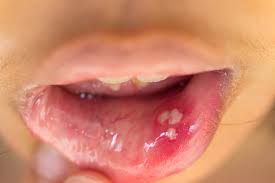
Small, unimpressive, and somehow capable of ruining your week.
The short version
- B vitamin deficiencies can be associated with recurring canker sores (especially B12 and folate).
- Some people improve after correcting a deficiency, which is one of the rare situations where a canker sore “trigger” is both testable and fixable.
- Vitamin B12 has a randomized controlled trial showing fewer, shorter, less painful outbreaks with daily B12, even in people who were not clearly deficient (Volkov et al., 2009).
- Do not guess forever. If you have frequent sores, ask a clinician about checking B12, folate, iron, and zinc, then decide what to do based on results.
Important (Medical disclaimer)
This article is informational only. Supplements can interact with medications and medical conditions. Talk to a clinician if you are unsure what is safe for you.
Why B vitamins show up in the canker sore conversation
Your mouth heals fast. The lining is constantly repairing itself. That makes it sensitive to anything that affects:
- cell division and tissue repair
- immune regulation and inflammation
- red blood cell production and oxygen delivery
Many of those processes depend on B vitamins.
There is also a simpler reason this topic keeps resurfacing: deficiencies are common enough to matter, and they are relatively easy to test for compared to most other theories about canker sores.
One observational study found that people with RAS had significantly lower intake of vitamin B12 and folate compared to controls (Kozlak et al., 2010).
The B vitamins most often linked to recurrent canker sores
Vitamin B12 (cobalamin)
B12 is involved in DNA synthesis and cell regeneration, and deficiency is known to cause oral symptoms in some people.
The paper I always point to here is a randomized controlled trial where 1,000 mcg of vitamin B12 daily for six months reduced canker sore frequency, duration, and pain, and this benefit was seen even in participants without obvious deficiency (Volkov et al., 2009).
My personal takeaway is not “B12 cures canker sores.” It is this: B12 is one of the few things in this space with decent evidence and a concrete plan you can try with your clinician.
Vitamin B9 (folate)
Folate is essential for cell division and tissue repair. If you want a straightforward medical overview (including deficiency basics and intake guidance), the NIH Office of Dietary Supplements has a good reference: NIH ODS: Folate fact sheet (Health Professional).
Vitamin B2 (riboflavin)
Riboflavin supports skin and mucosal integrity. Deficiency is associated with mouth and lip issues, including cracking and irritation (see StatPearls: Riboflavin deficiency).
Vitamin B6 (pyridoxine)
B6 is involved in immune function and inflammation regulation. Older research found a meaningful chunk of people with recurrent aphthous ulcers had deficiencies in B vitamins like B1, B2, and B6, and some improved with supplementation (Nolan et al., 1991).
Vitamin B1 (thiamine) and B3 (niacin)
These show up less often in the canker sore discussions, but severe deficiency states can involve oral symptoms.
For example, niacin deficiency (pellagra) can include oral inflammation and ulceration (see NIH: Niacin fact sheet).
MTHFR, methylation, and “methylated” B vitamins
You will see people online say things like: “I have an MTHFR mutation, and methylated B vitamins fixed my sores.”
Here is the careful version:
- Some common MTHFR polymorphisms reduce enzyme activity (Frosst et al., 1995).
- That can affect folate metabolism in a way that, for some people, might matter.
- Some people choose “active” forms like L-5-MTHF (methylfolate) or methylcobalamin to avoid certain conversion steps (background: NIH ODS: Folate fact sheet (Health Professional)).
I would frame this as an “if needed” lever, not the first thing to do. If your labs are normal and you still want to trial a supplement with your clinician, methylated forms are one option people discuss.
A practical, measured plan (what I would do if I were starting from scratch)
If you get frequent sores, the goal is not to collect supplements. The goal is to reduce guesswork.
- Ask about labs: B12, folate, iron studies, zinc. (General clinical overview: StatPearls: Aphthous stomatitis)
- Fix obvious deficiencies first: That is the highest signal move.
- Trial one change at a time: If you start three supplements in one week, you will not know what helped.
- Give it time: Many people trial supplements for 2 to 6 months because canker sores come in cycles.
- Keep notes: Number of sores per month, pain level, days to heal. Otherwise your brain will rewrite history based on how much your mouth hurts today.
Tip (Why I like the vitamin approach (even when it doesn’t work))
It is measurable. You can test, correct, and retest. That is rare in the canker sore world.
Food sources (simple cheat sheet)
| Vitamin | Name | Common food sources |
|---|---|---|
| B1 | Thiamine | Whole grains, pork, legumes |
| B2 | Riboflavin | Dairy, eggs, leafy greens |
| B3 | Niacin | Meat, fish, nuts |
| B6 | Pyridoxine | Fish, bananas, chickpeas |
| B9 | Folate | Leafy greens, legumes |
| B12 | Cobalamin | Meat, fish, dairy, eggs |
If you are vegetarian or vegan, B12 is the one that comes up most often, because many reliable B12 sources are animal-based.
FAQ
How long does it take for B12 or folate to affect canker sores?
If it helps, it usually does not feel like a light switch. People often look for change over weeks to months, which matches how both nutrient repletion and sore cycles tend to work.
Can B12 help even if my B12 is “normal”?
In the B12 trial mentioned above, participants saw benefit even without overt deficiency (Volkov et al., 2009). That does not mean it will help everyone. It does suggest B12 is worth a thoughtful trial for some people, ideally with clinician input.
Should I just take a B-complex?
B-complex is convenient when you do not know what is low. It is also easy to overdo things unnecessarily. If you can get labs, I prefer targeted supplementation based on evidence, symptoms, and results.
When to stop DIY and talk to a clinician
Consider getting evaluated if sores are:
- lasting longer than two weeks
- unusually large
- happening very frequently
- accompanied by fever, weight loss, or other systemic symptoms
Final thoughts
If you have lived with recurring canker sores, you have probably tried plenty of things that did nothing. That is why I like topics like B vitamins. They are not magic, but they are one of the few areas where the path is clear: test, correct, observe.
If you want the broader “how do I survive this week” guide, I also wrote: Most Common Over-the-Counter Canker Sore Remedies (With Examples)
Sources and further reading
- Volkov et al., 2009 (vitamin B12 trial)
- Kozlak et al., 2010 (dietary intake and RAS)
- Nolan et al., 1991 (B vitamin deficiencies and aphthous ulcers)
- Frosst et al., 1995 (MTHFR polymorphism)
- StatPearls: Aphthous stomatitis overview
- NIH ODS: Folate fact sheet (Health Professional)
- NIH: Niacin fact sheet